
Are you over 21 years old?
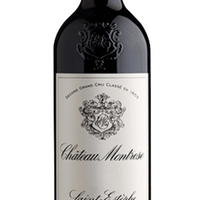
Château Montrose Saint-Estèphe 1945
$1,200.00


Château Montrose Saint-Estèphe 1945
$1,200.00
Saint-Estèphe
1945
2nd Growth
Cabernet Sauvignon
Merlot
Cabernet Franc
Region: Bordeaux
ESTATE HISTORY
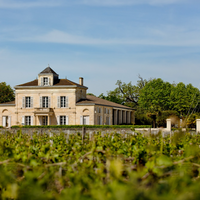
Château Montrose appears in history during the 19th century thanks to Théodore Dumoulin. Château Montrose takes its name from the color of the heather that once covered the domain , whose pretty colour of wine lees is well known. This “young” estate is just a few years old in the 1855 classification and benefits from the most beautiful vineyard of the appellation. After the death of Théodore Dumoulin, the estate is sold and acquired by Mr. Dollfus. Nothing is too good for the Château Montrose, this visionary modifies the Castle, builds outbuildings, increases the technical potential. The castle looks like a real little village. At the end of the 19th century, the property joined the Charmolue family for more than 3 generations.
1945 is a legendary vintage from Saint-Estèphe, crafted at the end of World War II during one of the smallest, most concentrated, and historic growing seasons of the 20th century.
TERROIR
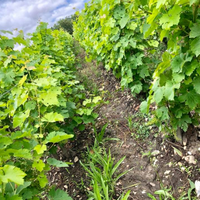
The wine benefits from Montrose's single continuous 95-hectare vineyard sitting on deep, well-draining gravelly terraces mixed with sand over a clay-and-marl subsoil right along the Gironde estuary. This soil holds key water reserves during hot vintages while reflecting warmth and regulating temperatures, yielding the trademark tannic power, freshness, and longevity of Saint-Estèphe.
VITICULTURE
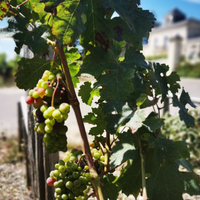
Viticulture in 1945 relied on traditional, labor-intensive manual farming with extremely high planting densities. The spring frost of 1945 cut yields drastically, forcing the remaining low-yielding old vines to channel all their energy into extraordinarily small, dense, and concentrated grapes.
WINEMAKING
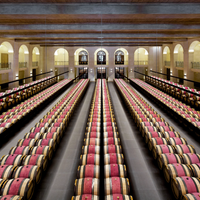
The winemaking followed strict mid-century traditions, using hand-harvested fruit fermented in large open oak vats with natural yeasts. Aging took place in older French oak casks for extended periods, resulting in a firm, long-lived structure designed to age for decades rather than immediate fruitiness.
TASTING & FOOD PAIRINGS
It reveals a deeply amber and garnet core, giving off intense aromas of dried black currants, leather, cigar box, truffle, and dried florals. On the palate, it remains muscular, concentrated, and dry, showing dried red fruits, savory earth, iron, and resolved yet firm, classical tannins leading into a long, mineral-driven finish.
Pair it with simple, high-quality, lean savory dishes so as not to overwhelm a delicate historic wine, such as roasted game like venison or pheasant, classic prime roast beef with simple pan juices, earthy wild mushroom crostini, or well-aged, mild hard cheeses like Comté or Cantal.
Serve at 60 to 64 degrees Fahrenheit. Handle with care and pour straight after opening or give it a very short decant just to remove sediment, as an older vintage can lose its delicate aromas quickly once exposed to air.
*Please note the image is of a representative bottle. For pictures of the actual bottle please contact us.