
Are you over 21 years old?
Château Calon Ségur Saint-Estèphe 2019
$186.00
Château Calon Ségur Saint-Estèphe 2019
$186.00
Saint-Estèphe
2019
3rd Growth
73% Cabernet Sauvignon
14% Merlot
12% Cabernet Franc
1 % Petit Verdot
Region: Bordeaux
ESTATE HISTORY
"Calon", meaning a little river skiff used in the Middle Ages to ferry timber across the Gironde estuary, gave the name to this district which was at one point known as Calones or Saint-Estèphe-de-Calon. In early times, Château Calon-Ségur was one of the original three vineyards in Saint-Estèphe and, in 1825, Château Montrose (in 1855 classified as a Second Growth) was a forest-land parcel belonging to the Calon-Ségur estate.
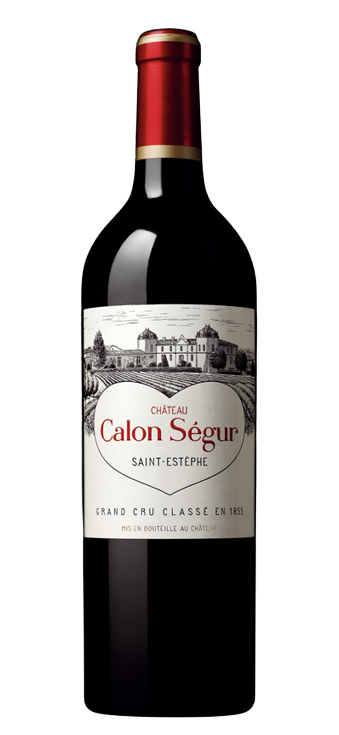
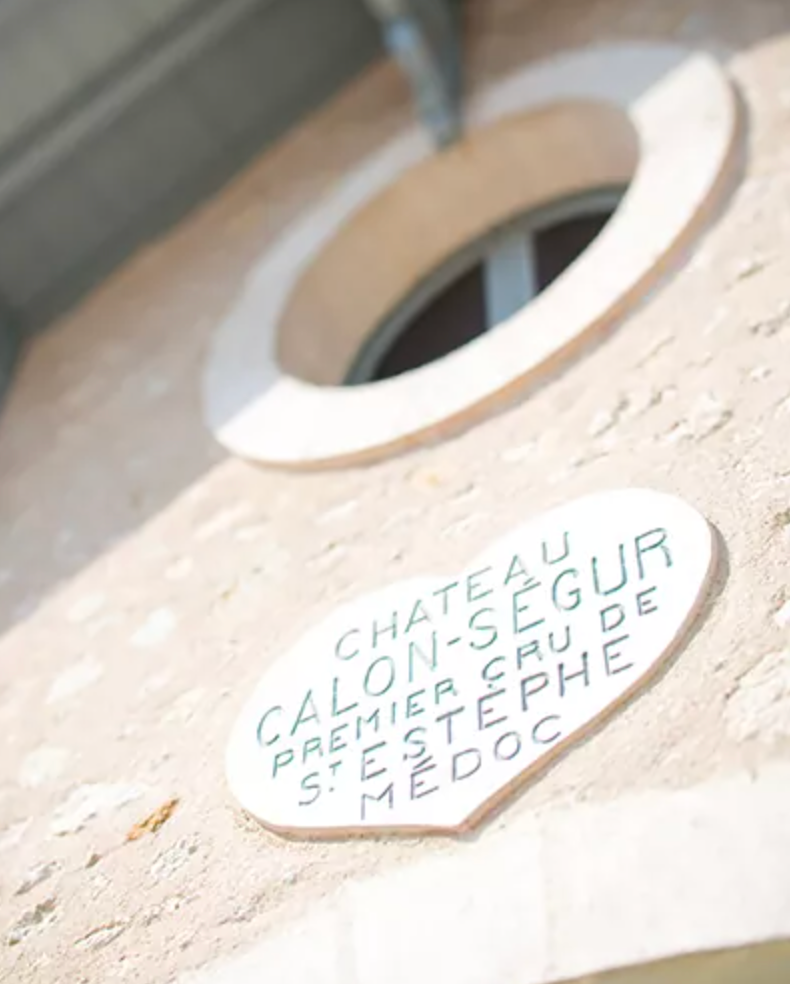
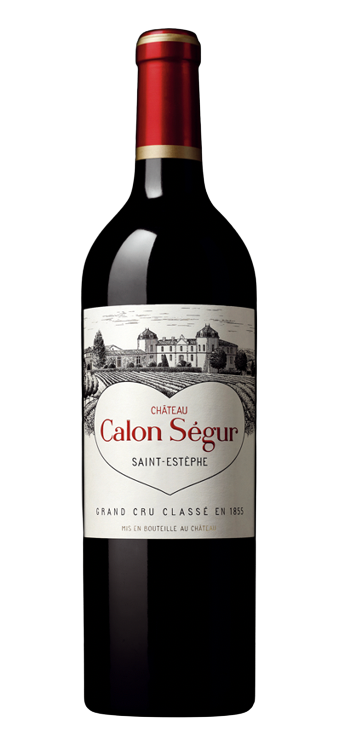
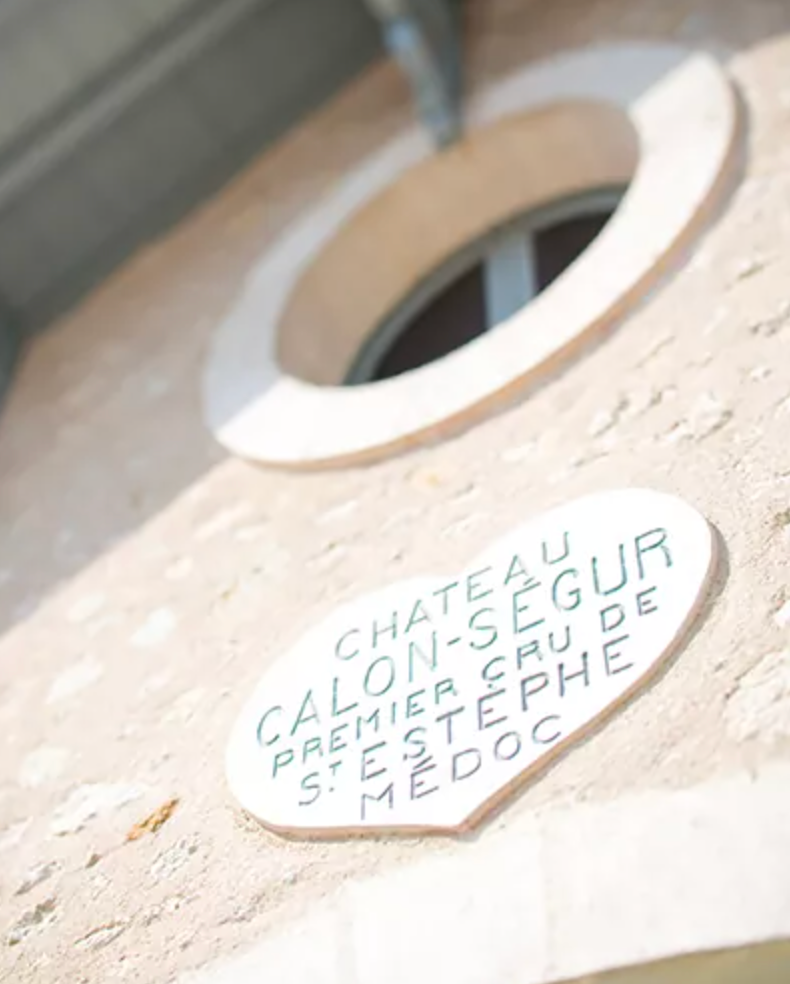
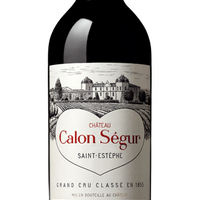
By marriage, the estate came to be owned by Nicolas-Alexandre, marquis de Ségur who also owned Château Latour and Château Lafite. Despite his ownership of these two First Growths, the Marquis said that "I make wine at Lafite and Latour but my heart is at Calon Ségur." The wine's label today includes a drawing of a heart around the Château’s name.
In the modern era, the estate has been owned by the Capbern Gasqueton family since 1894. After Mme Capbern-Gasqueton's death, it was sold in 2012 to Suravenir Assurances, an insurance company.
Chinese winemaker Emma Gao trained at the château, where she met her future husband, winemaker Thierry Courtade.
TERROIR
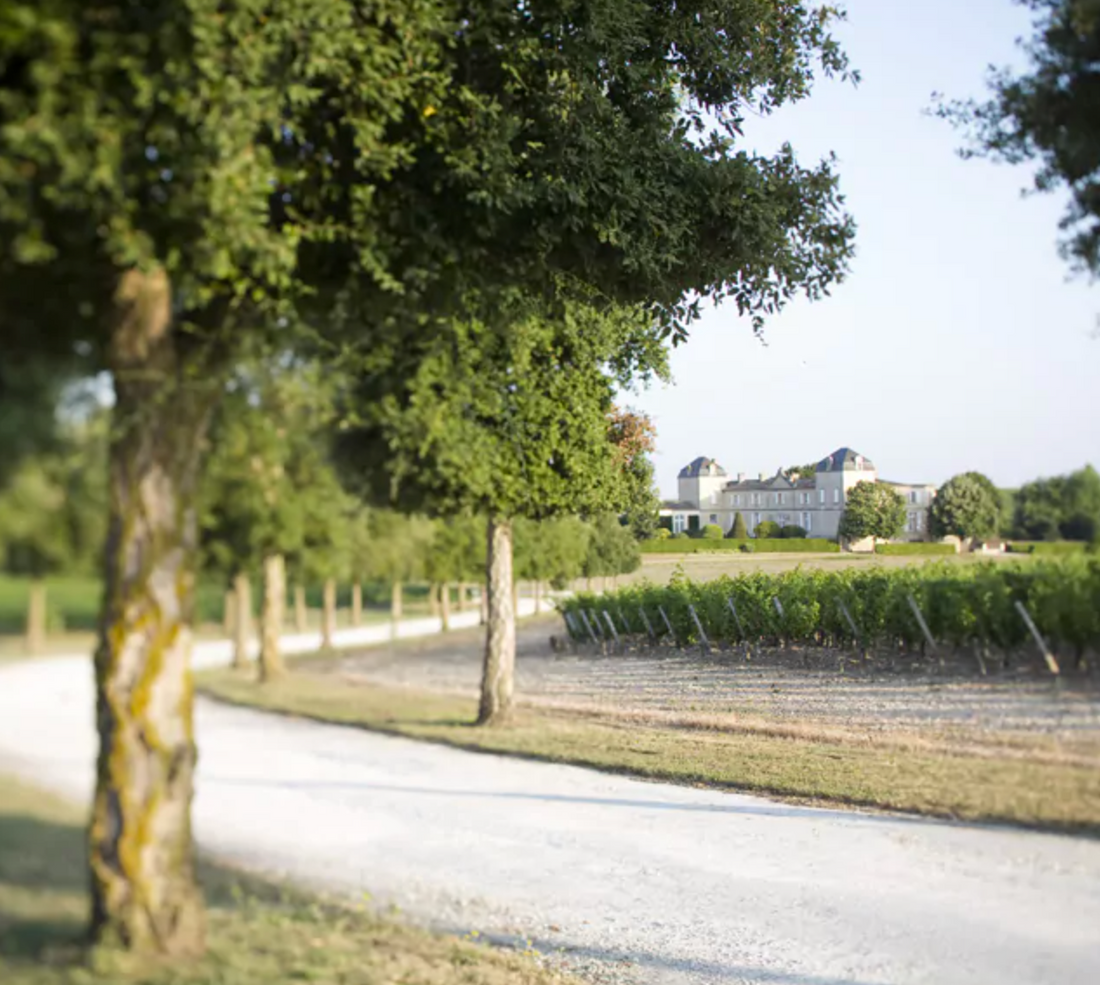
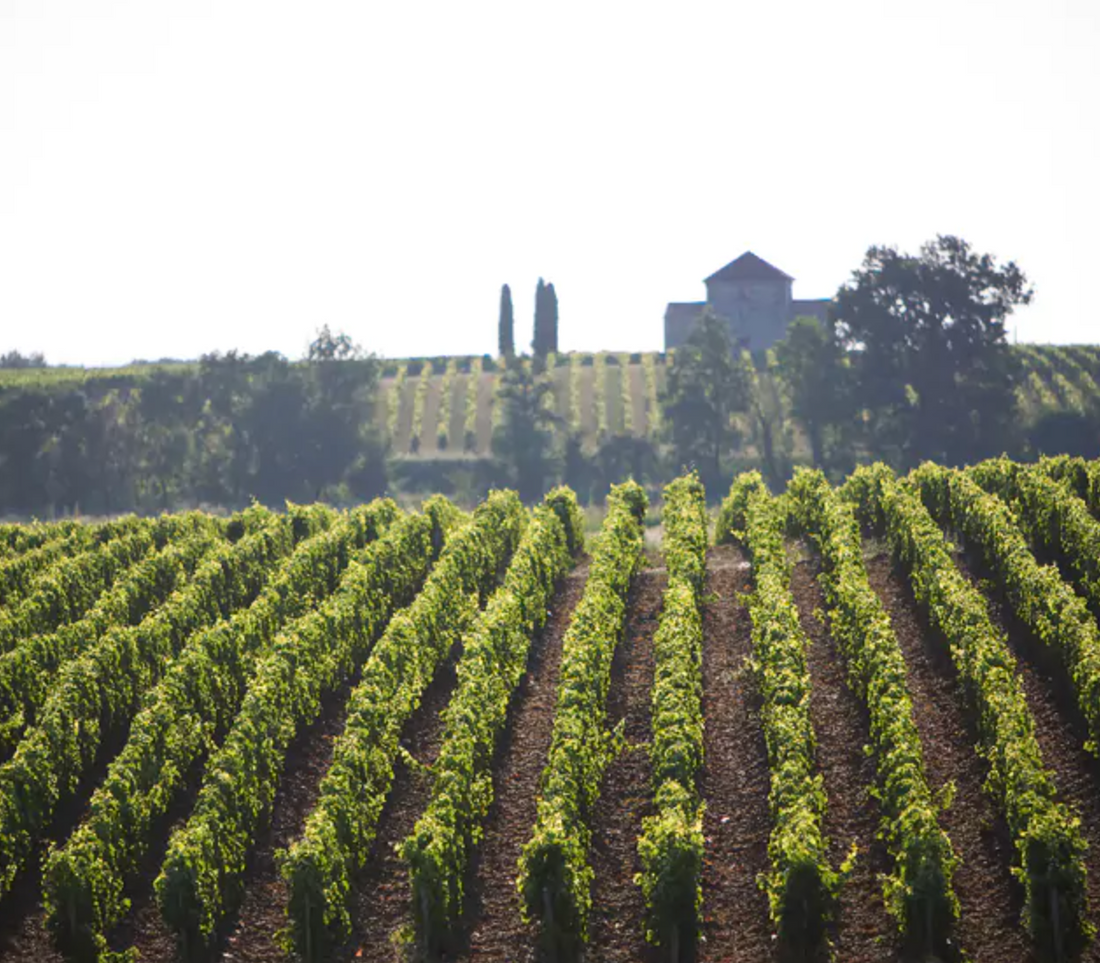
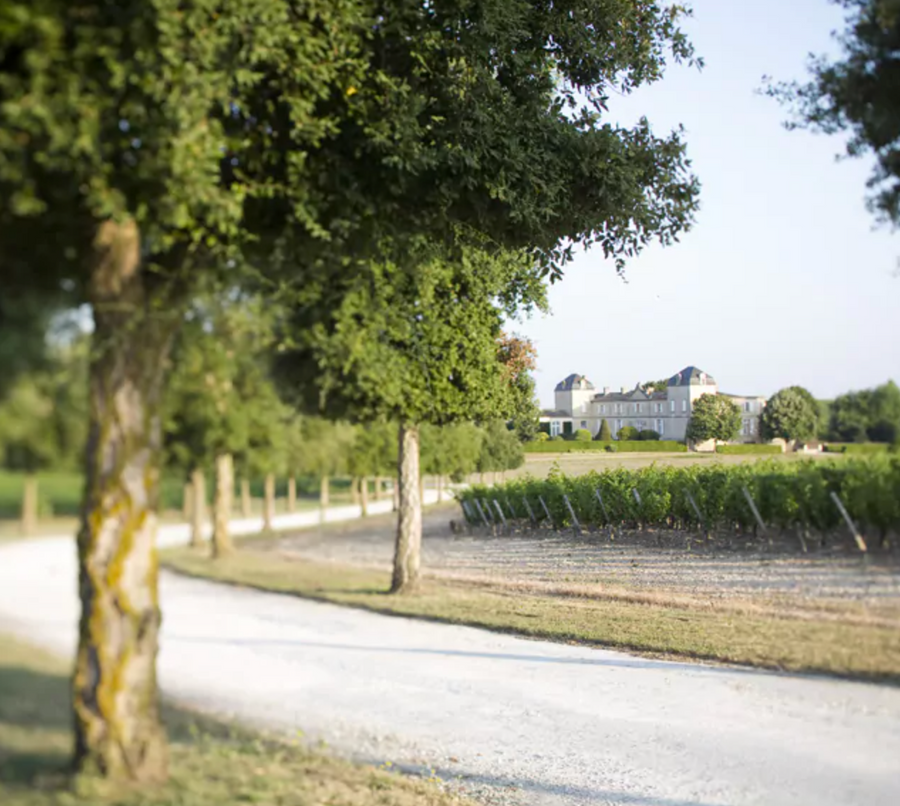
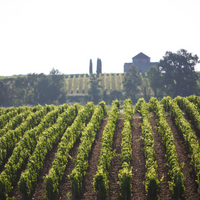
The vineyard sits on deep gravel deposits layered over a thick bed of clay and limestone subsoil, located close to the Gironde estuary. The topsoil gravel provides heat reflection and superb drainage, while the underlying clay retains critical moisture during warm years like 2019, preserving natural freshness alongside powerful fruit concentration.
VITICULTURE
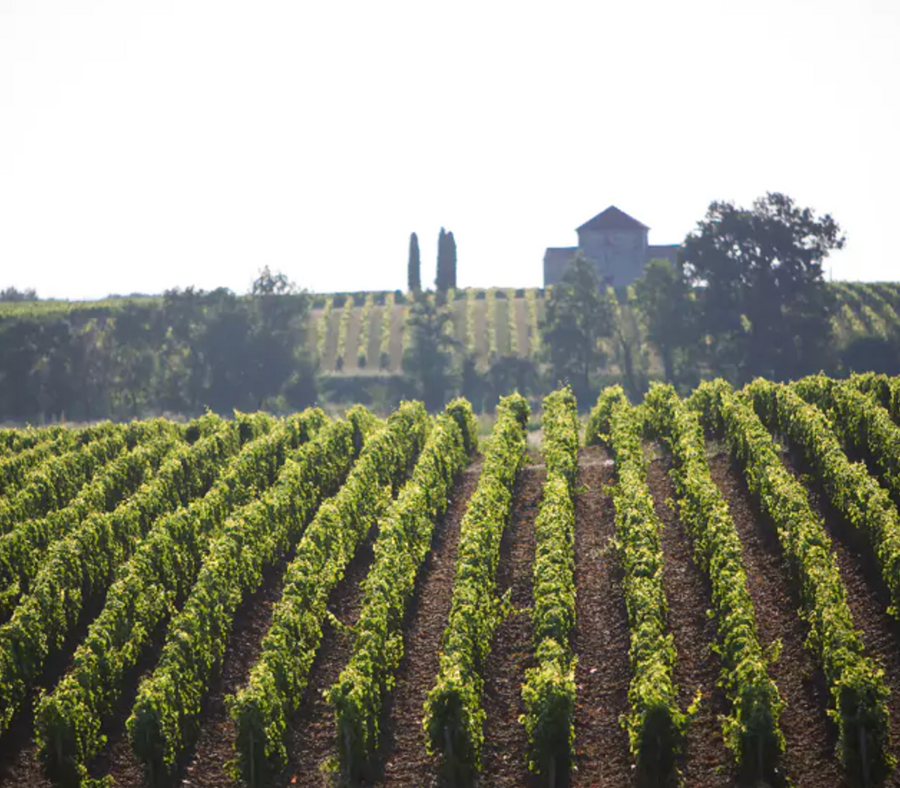
The estate maintains high-density plantings of roughly 8,000 vines per hectare, forcing deep root competition. Precision canopy management, green harvesting, and sustainable farming ensure low yields of exceptionally concentrated, perfectly ripened fruit.
WINEMAKING
The grapes were hand-harvested and strictly sorted before undergoing parcel-by-parcel fermentation in temperature-controlled conical stainless steel tanks to emphasize purity of fruit. The wine was then aged for 17 to 20 months in 100 percent new French oak barrels, integrating rich structure, subtle spice, and polished oak nuances.
TASTING & FOOD PAIRINGS
It shows a dense garnet-purple hue alongside intense aromas of crème de cassis, black cherry, graphite, cedar, flowery incense, and exotic baking spices. On the palate, it is muscular, full-bodied, and soaring in vertical intensity, combining dense layers of dark fruit with super-ripe, structured tannins and vibrant, fresh acidity that leads into a long, mineral finish.
Its massive structure, concentrated fruit, and firm tannin profile demand rich, savory dishes like prime ribeye steak, roasted rack of lamb, braised beef short ribs, venison with dark berry reductions, or dishes featuring wild mushrooms and truffles.
Serve at 60 to 64 degrees Fahrenheit. Because it is still a very young, structured wine, it benefits from a 2 to 3 hour decant to allow its intense aromas to open up and its dense tannins to soften.
*Please note the image is of a representative bottle. For pictures of the actual bottle please contact us.